All Insights

How to Choose an AI Vendor for Government: A Security and Compliance Checklist
An AI vendor for government is a supplier whose system can clear security authorization, whose contract protects agency data and exit rights, and whose delivery record can be independently verified. Evaluate vendors on evidence weight rather than demo quality. The strongest evidence is a contactable production reference in a comparable regulated environment.
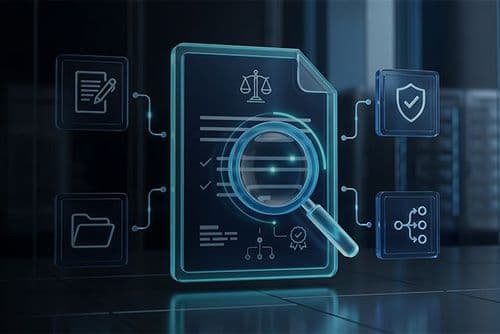
AI Solutions for the Public Sector: Deploying Secure, Compliant, Auditable AI
AI solutions for the public sector are AI systems deployed inside an authorized security boundary, with documented data handling, complete audit logging, and contract terms that protect agency data and exit rights. In US government the binding constraint is not model quality. It is whether the system can clear security authorization and procurement review before it goes live.
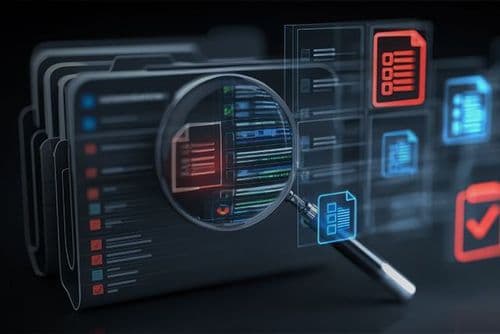
AI Records Management for Government Agencies: Clearing Backlogs and Speeding Retrieval
AI records management in government uses machine learning to classify, extract, index, and dispose of agency records automatically. It clears paper backlogs and cuts retrieval from days to seconds.
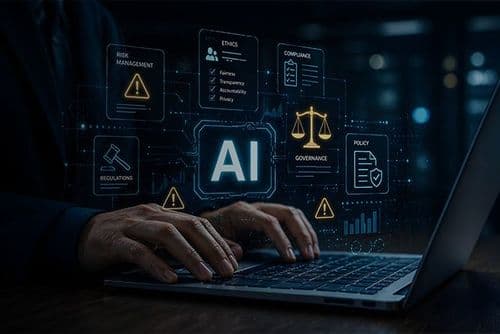
Responsible AI in Government: Building Governance, Ethics, and Compliance That Hold
Responsible AI in government is the practice of deploying artificial intelligence in public agencies with documented risk assessment, human oversight, and public accountability. In the United States it is enforced through OMB Memorandum M-25-21 at the federal level and a growing set of state statutes. Governance only works where it attaches to a decision someone can refuse.
AI in the Public Sector: A Guide to Where AI Delivers Value
AI in the public sector is the use of artificial intelligence by government and public-service organizations to serve constituents, process documents, detect fraud, run operations, and inform decisions. Its value is easiest to locate not by agency mission but by function: five shared activities constituent services, document processing, program integrity, operations, and decision support where AI pays off in almost any agency.
AI in Government: How the US Public Sector Is Adopting AI in 2026
AI in government is the use of artificial intelligence machine learning, generative AI, and automation by public-sector agencies to deliver services, process documents, detect fraud, and modernize aging systems.
AI Solutions for Banking: Use Cases, ROI, and Choosing a Compliant Partner
AI solutions for banking are software systems that automate fraud detection, anti-money-laundering (AML) and KYC compliance, credit risk, document processing, and customer service. They cut cost and risk while speeding decisions.
AI Document Processing in Banking: How to Automate Loan and Mortgage Paperwork
AI document processing in banking uses intelligent document processing (IDP) a mix of optical character recognition (OCR), machine learning, and natural language processing to automatically read, classify, and extract data from loan and mortgage paperwork.

AI KYC Compliance: How to Automate KYC and AML Without the Cost and Risk
AI KYC compliance uses artificial intelligence to automate identity verification, sanctions screening, and anti-money-laundering (AML) monitoring.

AI Fraud Detection in Banking: How It Works and Why It Matters in 2026
AI fraud detection in banking uses machine learning to spot fraudulent transactions in real time by learning each customer's normal behavior and flagging deviations in milliseconds.

AI in Financial Services: Where It Fits and What It Delivers in 2026
AI in financial services is the use of machine learning, generative AI, and automation across banking, insurance, wealth management, capital markets, and payments to cut costs, manage risk, and grow revenue.
AI in Banking: The 7 Trends Redefining US Financial Services in 2026
AI in banking is the use of machine learning, generative AI, and automation to detect fraud, speed lending decisions, personalize service, and cut operating costs.
AI Solutions for Business: What Works, Where, and What ROI to Expect
AI solutions for business are software systems that use machine learning, generative AI, and automation to cut costs, speed decisions, and unlock new revenue across functions like finance, operations, and customer service.
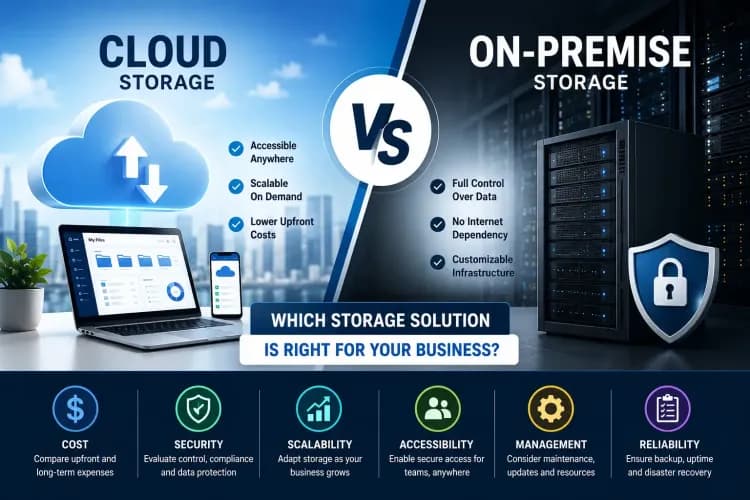
Cloud vs. On-Premise: Which Storage Solution Is Right for Your Business?
Every business depends on data. Companies store contracts, financial files, employee records, customer details, images, reports, and internal documents every day.
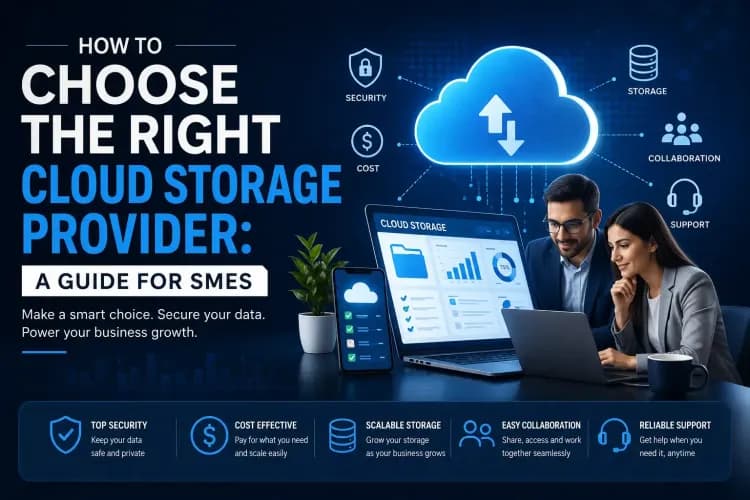
How to Choose the Right Cloud Storage Provider: A Guide for SMEs
Small and medium-sized businesses manage more digital files every year. They store contracts, invoices, customer records, reports, designs, and internal documents.
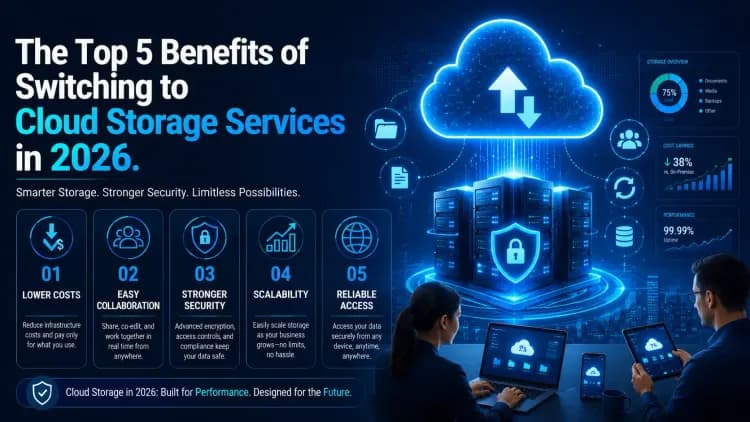
The Top 5 Benefits of Switching to Cloud Storage Services in 2026
Businesses create and manage more data than ever before. They store documents, contracts, invoices, videos, customer records, and internal files every day.

AI tools every startup should use
Startups operate in an environment where speed, efficiency, and smart decision-making can make or break success. Founders often juggle multiple roles, manage limited budgets, and compete with well-established players. In such a landscape, artificial intelligence has emerged as a powerful ally. AI tools help startups automate tasks, gain insights, and scale faster without burning resources.
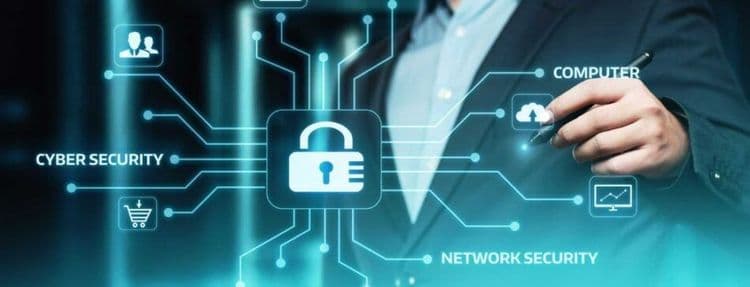
Top 10 Cyber Security Trends to Watch in 2026
The cybersecurity landscape in 2026 is characterized by a rapidly escalating threat environment, driven by advancements in Artificial Intelligence (AI) and the increasing complexity of modern cloud and remote work infrastructures. Defenders are shifting from reactive patching to proactive, continuous risk management, as they face highly organized and sophisticated adversaries.

Implementing Zero Trust: The Blueprint for Security in the AI Era
In the face of intelligent, autonomous cyber threats, the traditional security perimeter, the assumption that everything inside the network is safe, is obsolete. The new defense standard for protecting data against these sophisticated threats is the Zero Trust Architecture (ZTA).
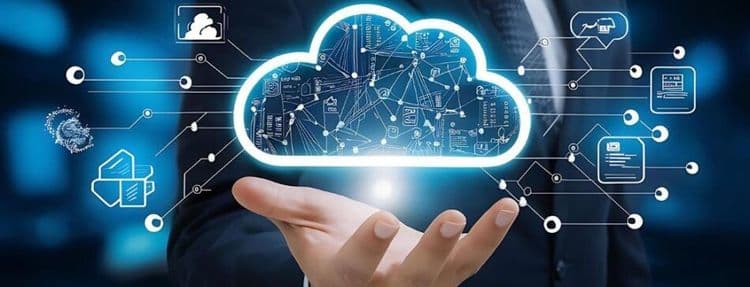
The Business Case for Moving to the Cloud: Cost, Agility, and Growth
In today’s changing business world, organizations of all sizes are looking for ways to work smarter, save money, and grow faster. One of the biggest changes helping companies achieve these goals is the move to the cloud. Whether you run a small startup or a large enterprise, shifting to a cloud business model can make operations simpler, more efficient, and more cost-effective.
How Software Companies Are Driving Digital Transformation for Businesses
In today’s world, technology shapes how businesses work, communicate, and serve customers. From small startups to large enterprises, companies are changing the way they operate by adopting new tools and systems. At the center of this change are software companies. They design solutions that help businesses become faster, more efficient, and more connected.
The Future of Custom Software Development: Trends to Watch in 2025
Custom software development has always been shaped by technology changes and user needs. In 2025, we are likely to see even bigger shifts as companies look for faster, more flexible, and more secure solutions. Businesses no longer want one-size-fits-all software. Instead, they want tools built around their unique needs.
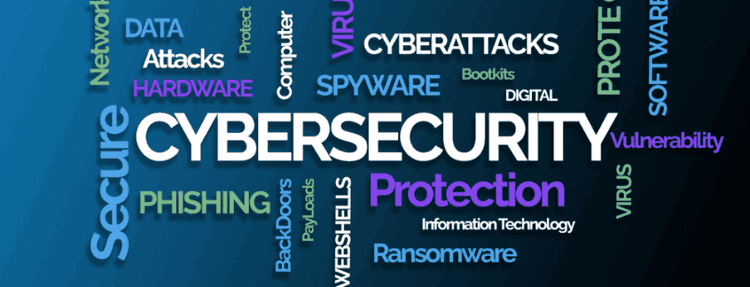
How AI Is Transforming Cyber Security Solutions in a Hyperconnected World
The modern world is hyperconnected. Businesses, homes, and governments all rely on digital networks. With this connectivity comes risk. Cybercriminals are smarter, faster, and harder to catch than ever before.

Top IT Companies in Pakistan (2025): Leading the Digital Revolution
Looking to explore the best IT companies in Pakistan? Whether you’re an industry veteran seeking new partnerships, a tech student planning your career, or a business owner hunting for the perfect technology partner, you’ve come to the right place.

Why DeepSeek is a Milestone for Environmentally Conscious AI
Artificial intelligence is rapidly transforming industries, but the rise of environmentally conscious AI is reshaping how we think about its impact. As energy demands grow, AI models require massive computational resources, contributing to significant carbon emissions. However, DeepSeek stands as a milestone in proving that AI can evolve with a lower environmental footprint. By prioritizing energy efficiency, optimized architecture, and sustainability-focused design, DeepSeek highlights AI's potential to align with global environmental goals.
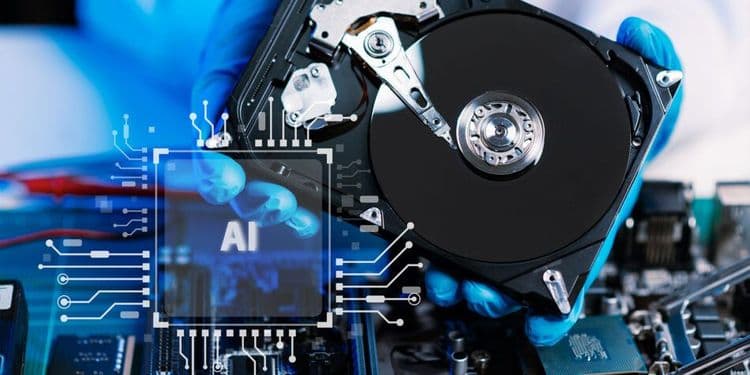
What Hardware Powers AI? All You Need to Know!
Artificial intelligence is revolutionizing industries, but behind the algorithms and smart systems is powerful hardware. Whether you’re training a machine learning model or deploying AI-driven applications, your system needs specific hardware to handle the immense data processing and computations involved.
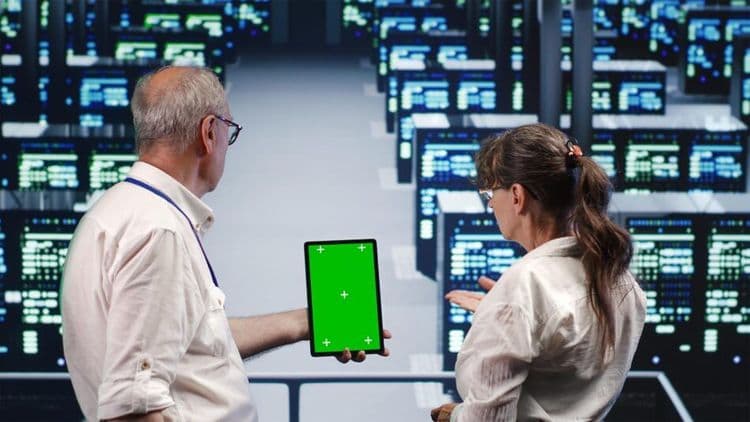
Green IT: How Data Center Modernization Reduces Environmental Impact
As businesses increasingly rely on technology to drive operations, the data center modernization and environmental impact conversation has gained urgency. Traditional data centers, with their high energy consumption and large carbon footprints, pose significant challenges to sustainability goals. Modernizing these facilities is not just a technological upgrade but a critical step towards a greener, more sustainable future.
AI and Cyber Threat Intelligence: Turning Big Data into Actionable Insights
As businesses expand and technology advances, the sheer volume of data produced daily is staggering. While this abundance of information holds incredible potential, it also creates fertile ground for cyber threats to thrive. Traditional methods of threat detection often fall short in processing such vast amounts of data, leaving organizations vulnerable. This is where AI and cyber threat intelligence intersect, revolutionizing cybersecurity by transforming big data into actionable insights.

Revolutionizing Workspaces: How Omnissa Workspace ONE Redefines Digital Transformation
The world of work is undergoing a monumental shift. Traditional office environments are giving way to hybrid and digital workspaces, where agility, collaboration, and efficiency are paramount. In this transformative era, Omnisaa Workspace ONE is leading the charge, redefining digital transformation with the first AI-driven digital work platform.
The Future of ERP: How AI is Transforming Enterprise Resource Planning for Smarter Businesses
Enterprise Resource Planning (ERP) systems have long been the backbone of organizational operations, centralizing data and streamlining workflows. But as businesses become more dynamic, traditional ERP systems are struggling to keep up with the demands of agility, precision, and intelligence. However, this is where AI comes in.

Transforming Financial Services: How AI-Driven Document Solutions Enhance Efficiency and Security
In today’s fast-paced banking environment, financial institutions are under constant pressure to process documents quickly, accurately, and securely.

Unlocking Productivity: How Microsoft Copilot Enhances Everyday Workflows
Discover how Microsoft Copilot boosts productivity by simplifying everyday tasks, improving collaboration and turning data into decisions.

The Future of Workspaces: AI-Driven Flexibility and Efficiency
Discover how AI is reshaping workspaces with flexible work arrangements, intelligent space management and streamlined team operations.

Cybersecurity in a Hyperconnected World: Safeguarding the Future of Business and Connectivity
Explore the cybersecurity challenges of a hyperconnected world and the best practices businesses can use to protect data and connectivity.

Enhancing Customer Experiences with Generative AI-Driven Solutions in B2B Companies
Discover how generative AI is transforming B2B customer interactions, with real-world applications, benefits, challenges and best practices.

Virtualization and Sustainability: How Cloud Solutions Reduce Carbon Emissions
As organizations worldwide strive to reduce their environmental impact, technology has emerged as a powerful ally in promoting sustainability. Virtualization and cloud computing are two key innovations helping businesses minimize their carbon footprint, optimize energy use and operate more efficiently.

Streamlining Business Operations with AI and Virtualization: Unlocking New Potential
In the realm of virtualization, the integration of Artificial Intelligence (AI) is transforming how businesses operate, driving efficiency and innovation in unprecedented ways.
Mastering the Techniques of Data Center Network Diagnostics
Learn the key techniques for diagnosing data center network issues quickly, keeping systems running and minimizing costly downtime.

SOC as a Service Enhances Enterprise Solutions Network Security
Learn how SOC as a Service strengthens enterprise network security with continuous monitoring, threat detection and incident response.

The Rising Threat: Recognizing ERP Security Risks
Companies rely increasingly on enterprise resource planning ERP systems in modern times to improve efficiency, simplify processes, and arrive at decisions based on information.

Harnessing Innovation, Ensuring Security: The Nexus of Emerging Tech and Cyber Security
Explore how emerging technologies like AI, the metaverse and quantum computing are reshaping cyber security, and how to stay protected.

Chatbots: Revolutionizing Customer Interaction
Learn how AI chatbots are revolutionizing customer interaction, the benefits they bring to support teams and how businesses can use them.

The Rise of Sneaker Bots: Revolutionizing Sneaker Culture
n the world of sneakers, the game has changed. What was once a simple task of walking into a store or browsing an online shop has transformed into a fiercely competitive battle for limited-edition releases.
Artificial Intelligence (AI): The Driving Force Behind Transformation and Innovation
Explore how artificial intelligence is transforming industries, the benefits it offers businesses and the challenges of implementing it.

Type 1 Hypervisor vs. Type 2 Hypervisor: Unveiling the Key Differences
Compare Type 1 and Type 2 hypervisors on installation, hardware access, performance, security, management and use cases to pick the right one.

Understanding Type 1 Hypervisor: The Backbone of Virtualization
Learn how Type 1 (bare-metal) hypervisors work, their key benefits for performance and security, and why they power enterprise virtualization.

Explaining the Role of the Hypervisor in Virtualization & How It Benefits Businesses
Virtualization has become an integral part of the modern computing infrastructure.
What are Cloud Security Managed Services and Why Do You Need Them?
Cloud computing has rapidly transformed the way organizations operate, bringing new levels of agility, flexibility, and scalability to businesses of all sizes.
An Introduction to Microsoft Azure Cloud Services: What You Need to Know
Get an introduction to Microsoft Azure: what the cloud platform offers, its core services and how businesses use it to build and scale.
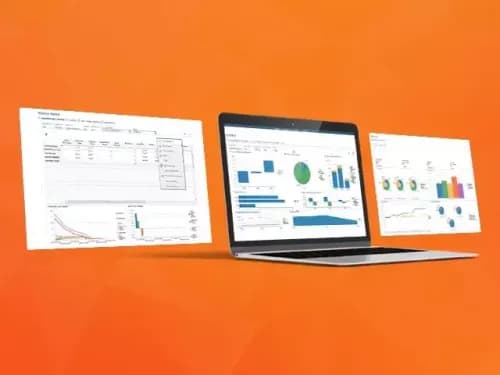
Revolutionize Your Business Operations with Oracle EPM Cloud Budgeting and Planning
See how Oracle EPM Cloud Budgeting and Planning streamlines financial processes, improves efficiency and gives deeper business insights.
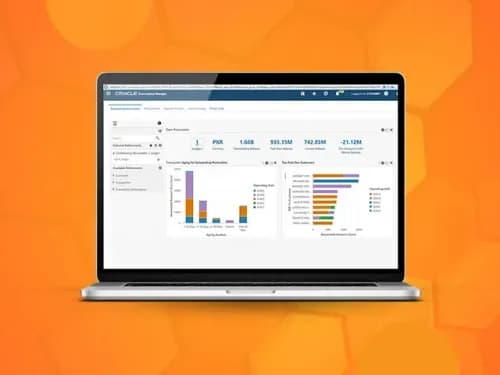
An Overview of Oracle Enterprise Command Center: Dashboard and Reporting
An overview of Oracle Enterprise Command Center: how its dashboards and reporting help enterprises turn data into faster, better decisions.

A Comprehensive Guide to Understanding Oracle HCM Cloud Solutions
Understand Oracle HCM Cloud: how it streamlines HR processes from recruitment and onboarding to talent management, payroll and analytics.

Exploring Oracle Mobile Applications: Key Features and Benefits
Explore Oracle Mobile Applications, their key features and benefits, and best practices for keeping your business productive on the go.

How is Web Development Changing The World & Its Future?
Learn what web development involves, how it is changing the way businesses and people work online, and where the field is heading next.

The Latest Web Development Trends in the US: How are They Adapting to the Changing Web Landscape?
Explore the latest US web development trends, from progressive web apps and AI chatbots to dark mode, motion UI and serverless architecture.

What is DNS Security and Why is It Important?
Learn what DNS security is, the threats it protects against and why securing your Domain Name System matters for your business.

Uses and Importance of the Firewall
Learn what a firewall is, how it controls incoming and outgoing traffic, the main types and why it is essential for network security.

Guide to Cyber-Attack – An Introduction to the Different Types of Cyber Attacks:
Understand the different types of cyber-attacks, how they work and what you can do to protect yourself and your organization.
What You Need To Know About Cloud Computing and Its Future
Understand what cloud computing really means, how businesses use it and where the technology is heading in the years ahead.

Key Components of Cybersecurity – What You Should Know
Learn the key components of cybersecurity, from network and application security to data protection, and why each matters for your business.

VMware VS KVM – What Is the Better Option for You?
Virtualization software is a type of software that allows users to create and run virtual machines. Virtual machines are programs that act like physical computers. They can be used to run operating systems, applications, and other virtual machines on one physical computer.

Is Virtualization the Future of Data Storage and Cloud Computing?
Virtualization is the process of converting a physical machine into a virtual machine. This is done by emulating the hardware and operating system of the physical machine within an image called a virtual machine.

What Is VMware Virtualization? Learn Why It Is a Mandatory Requirement for Your Businesses
Virtualization is a technology that allows the user to create and run multiple operating systems in a single physical machine. It is used for running multiple operating systems on one physical computer without any significant performance loss.

A Guide to SAP and Its Uses for Businesses
Learn what SAP is, the benefits of using it, its main modules and why it is one of the most widely used ERP platforms for businesses.

The Increasing Importance of Data Centers and the Role JBS Plays
Learn why data centers matter more than ever in the era of big data and IoT, and the role JBS plays in designing and delivering them.

Why Desktop Virtualization is Important and what are the Benefits?
Desktop virtualization is a technology that allows users to access their desktops and applications from any device. It’s an important tool for both businesses and individuals because it offers a number of benefits.

The Complete Guide to ERP And How It Can Affect Your Business
Learn what ERP systems are, what they help manage and how implementing ERP can improve efficiency and decision-making in your business.

4 ways JBS helps you with Cloud
Cloud computing has increased drastically over the past years with the majority of companies shifting to the cloud for their everyday business needs. However, shifting to the cloud is no easy task. This is where JBS comes in, with its vast experience and expertise with multiple cloud providers.

What are Data Centers?
There are more than 7 million data centers around the world (Source: Statista), these are the backbone of the digital economy. The question however remains: What are they? The short answer? A place that houses and manages data and its systems. The long answer? This blog will cover exactly that.

3 Advantages of Cloud Computing
Cloud computing is the most cost-effective way to deliver IT services. It has become a popular way to deliver software, storage, and other technology resources over the internet. Though it has many advantages, let’s talk about three of them below:
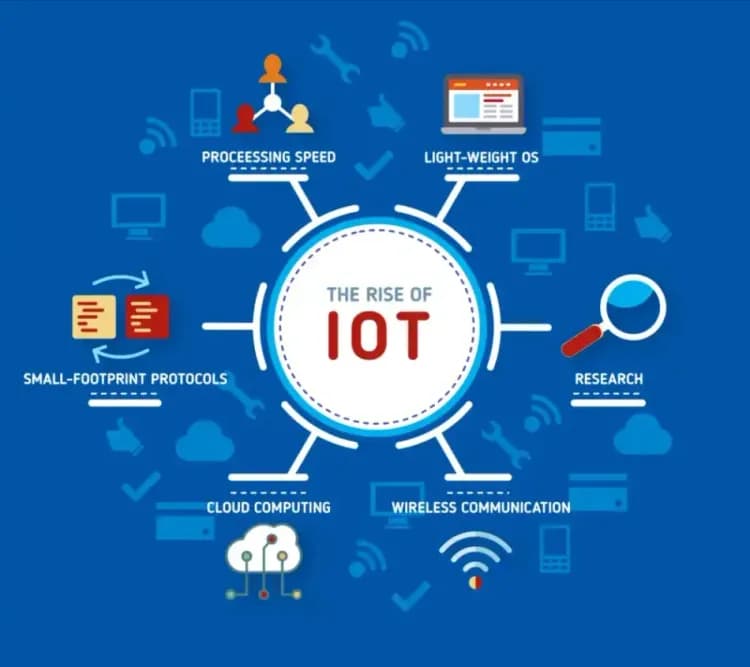
Internet of Things by Abdullah Arshad, Jaffer Engineering Services, Jaffer Group
Abdullah Arshad of Jaffer Engineering Services explains how the Internet of Things is changing everyday life and where the technology is heading.

What is edge computing and how it's changing the network
Edge computing allows data produced by the internet of things (IoT) devices to be processed closer to where it is created instead of sending it across long routes to data centers or clouds.