AI is no longer limited to innovation labs or large technology companies. Businesses of every size now use it to improve support, analyze data, automate tasks, and create better customer experiences. It helps teams work faster without losing sight of important details. As a result, AI is becoming part of daily business operations.
Moreover, the future of AI will focus less on isolated tools and more on connected systems. Companies want AI that works inside their existing platforms. They want it to support employees, customers, and decision-makers at the right time. This shift will make AI more useful, practical, and easier to adopt.
Key AI Trends Shaping Business Growth
Generative AI Is Changing Everyday Work
Generative AI can create text, code, images, summaries, and customer responses. This gives teams a faster way to start tasks that once took hours. Marketing teams can prepare first drafts. Developers can explore code suggestions. Support teams can summarize customer conversations.
However, generative AI works best when people review its output. It can speed up work, but it can also make mistakes. Therefore, businesses should use it as a support tool rather than a replacement for human judgment. This approach helps teams stay productive while protecting quality.
AI Agents Will Support More Complex Workflows
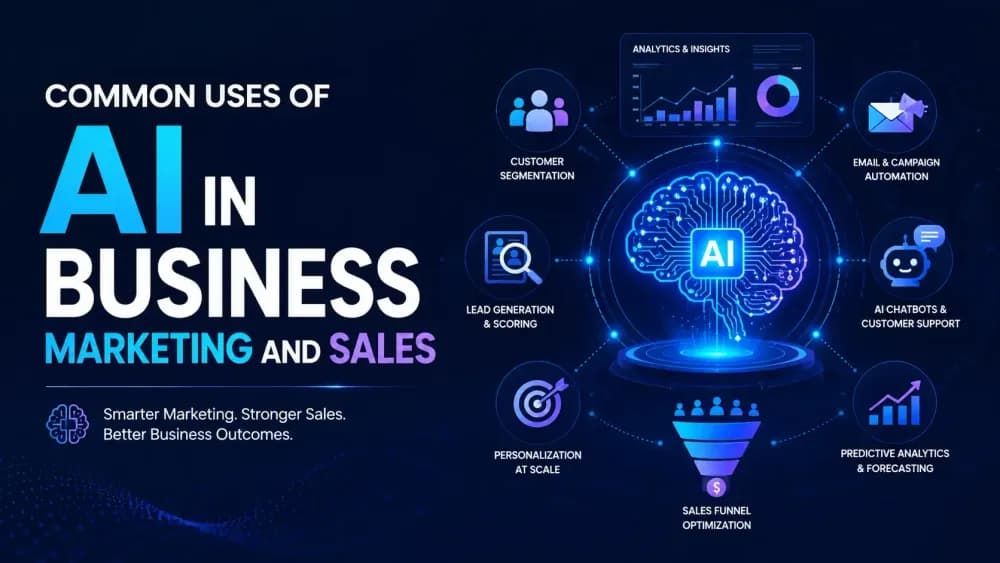
Marketing campaigns work better when they speak to the right audience. AI helps teams create more focused messaging. A business can send different offers to first-time buyers, loyal customers, and inactive users. This makes communication feel more relevant.
Still, businesses need clear rules before using AI agents. Teams should define what the agent can access and what actions need approval. Strong controls help prevent errors. They also make it easier to use automation with confidence.
AI Is Creating New Opportunities Across Industries
Smarter Customer Experiences Build Loyalty
Customers expect quick, useful, and personalized interactions. AI can help businesses understand customer behavior and offer more relevant support. It can recommend products, identify common concerns, and guide people toward the right information. This makes digital experiences feel more helpful.
For example, an online store can suggest products based on past purchases. A service provider can send reminders before a customer needs help. A support system can route urgent cases to the right team. These small improvements can build trust and encourage customers to return.
Better Insights Improve Business Decisions
Businesses collect large amounts of information every day. However, useful insights can stay hidden inside reports, spreadsheets, and disconnected systems. AI can help teams analyze this data faster. It can highlight patterns that need attention.
As a result, leaders can make decisions with more confidence. They can spot changing demand, rising costs, and customer concerns earlier. With well-designed enterprise AI solutions, businesses can turn raw data into practical actions. This creates a stronger foundation for growth.
Automation Will Redefine How Teams Work
Repetitive Tasks Can Become Faster and Easier
Many employees spend time on tasks that follow the same pattern each day. They enter data, review documents, create reports, and respond to common requests. AI can automate parts of this work. It can reduce delays and lower the chance of simple mistakes.
This gives employees more time for work that needs creativity, empathy, and strategic thinking. They can focus on customers, planning, and problem solving. In this way, AI can make work more meaningful instead of simply making it faster.
Human and AI Collaboration Will Matter Most
The future of AI is not about replacing every employee. It is about helping people do better work. AI can process large volumes of information. People can provide context, judgment, and emotional understanding. Together, they can create stronger results.
Businesses should train employees to work with AI tools. They should also explain where AI adds value and where human review is required. This creates trust inside the organization. It also helps teams use new technology more responsibly.
Risks Businesses Must Manage Carefully
Data Privacy and Security Must Come First
AI systems often use customer information, internal documents, financial records, and operational data. This information can be valuable, but it can also create risk. Businesses must protect it through secure storage, access controls, and clear policies. They should only collect data that they truly need.
In addition, teams should review where AI tools send and store information. They should avoid sharing confidential data with unapproved systems. Responsible AI software development services can help businesses build secure AI tools that protect sensitive information from the start.
Bias and Inaccurate Outputs Can Affect Trust
AI systems learn from the data they receive. If that data contains bias, the AI may produce unfair results. This can affect hiring, lending, customer support, and product recommendations. Businesses should test AI systems regularly to identify unfair patterns.
AI can also produce answers that sound confident but are incorrect. Therefore, teams need clear review steps for high-impact tasks. Human oversight helps catch errors before they affect customers or business decisions. A careful approach protects trust and reputation.
Responsible AI Will Become a Competitive Advantage
Transparency Builds Confidence
Customers and employees want to understand how AI affects them. They want to know when they are talking to an AI system. They also want clear answers when an automated decision affects an important outcome. Transparency makes this possible.
Businesses should explain how their AI tools work in simple language. They should also provide a clear path to human help when needed. This makes AI feel more trustworthy. It also shows that the business values people as much as technology.
Governance Keeps AI Aligned With Business Values
AI governance means setting rules for how a company uses AI. It includes data policies, access controls, testing processes, and review systems. These rules help teams use AI safely and consistently. They also reduce confusion as adoption grows.
Strong enterprise AI solutions can support governance by creating clear audit trails and approval workflows. Businesses can track how systems perform and who has access to sensitive data. This gives leaders more visibility. It also helps them scale AI without losing control.
Building a Practical AI Strategy for the Future
Start With One High-Value Use Case
Businesses should not try to use AI everywhere at once. Instead, they should begin with one clear opportunity. It may be customer support, document processing, lead scoring, or demand forecasting. A focused project helps teams test value before they scale.
Starting small also reduces risk. Teams can collect feedback from employees and customers. They can improve the system before adding more features. This creates a smoother path toward wider AI adoption.
Build Systems That Can Scale Over Time
A successful AI system should support future growth. It should connect with existing platforms and protect important data. It should also allow updates as customer needs and business priorities change. A strong technical foundation makes future expansion easier.
This is where AI software development services can support long-term success. They help businesses build systems that are secure, flexible, and easy to manage. They can also connect AI tools with cloud platforms, customer systems, and internal workflows. As a result, businesses can grow without rebuilding everything from scratch.
Conclusion
The future of AI offers major opportunities for businesses. It can improve customer experiences, automate repetitive work, support better decisions, and help teams respond faster to change. At the same time, businesses must manage risks around privacy, accuracy, security, and fairness.
The best approach is practical and human-focused. Businesses should start with clear goals, train their teams, and build responsible systems that can scale. By using enterprise AI solutions and AI software development services, organizations can turn AI into a long-term advantage that supports people, performance, and sustainable growth.